
Invisalign vs. Braces: Which Is Better for Straightening Teeth?
At Smile Aesthetix, we offer both Invisalign aligners and orthodontic consultations if you are looking for options to straighten your teeth with a customized treatment plan. Invisalign requires that you wear custom-made, removable clear aligners that gently shift your teeth into the ideal position. On the other hand, traditional braces require that metal brackets and wires be bonded directly to the front surfaces of the teeth to move them.
Both Invisalign and braces are clinically proven to improve tooth alignment, but the treatment process is quite different. Our team will help you compare the options to determine the ideal solution for your unique smile goals, including overall appearance, comfort, and maintenance requirements.
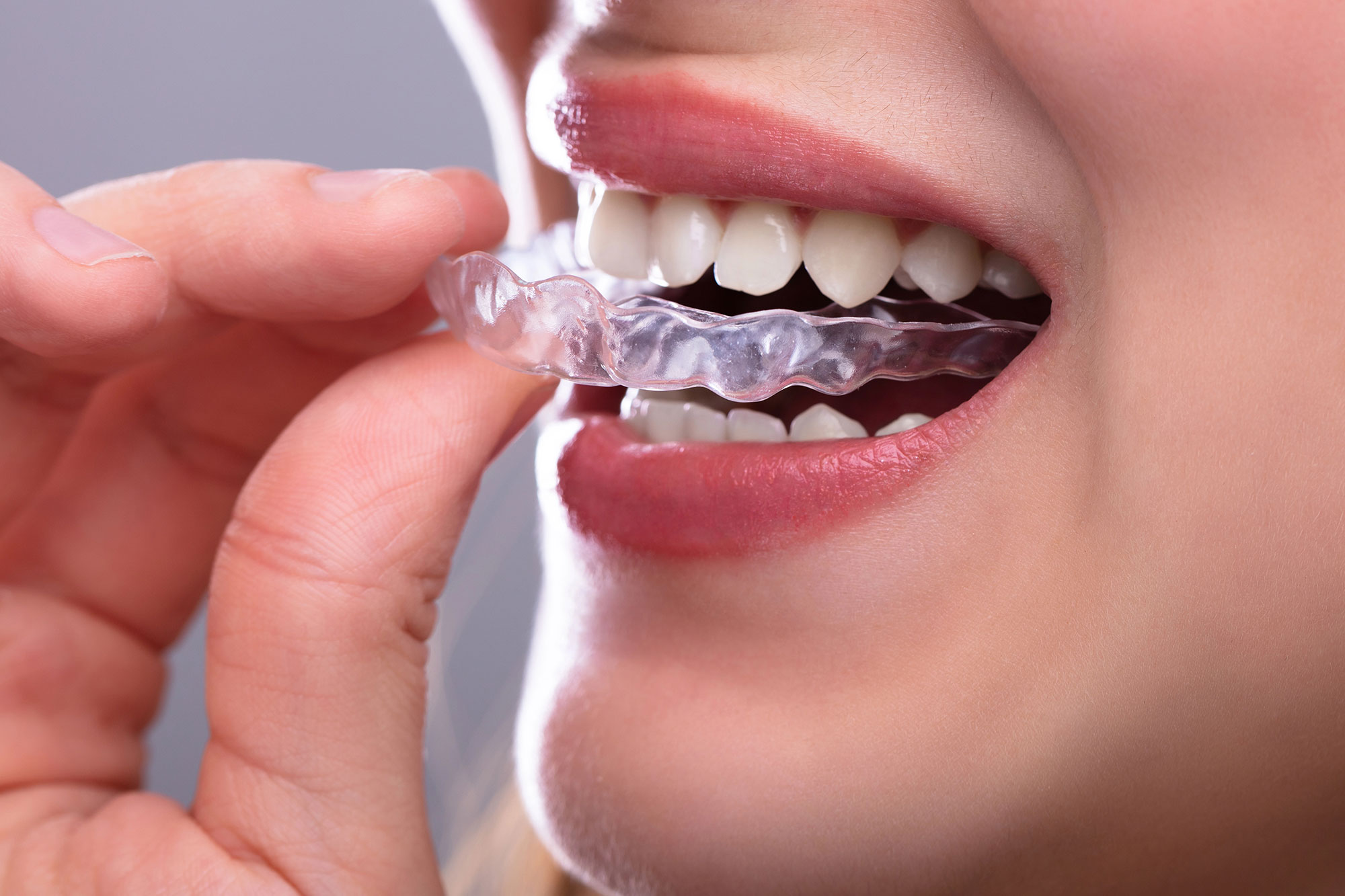
How Each Treatment Works: Invisalign vs. Braces
If you decide to move forward with Invisalign aligners, then you will need to wear clear, custom-fit trays for at least 22 hours per day. These trays fit over your teeth, but they can be removed at meal time. The goal is to move the teeth gently and incrementally, with a series of trays that are changed every 2 weeks.
With traditional metal braces, the brackets are bonded to the surfaces of your teeth, and wires connect the brackets to place pressure on the teeth, so they move in the ideal direction. This archwire must be tightened every few weeks so that the ongoing pressure aligns the teeth into the preferred positions.
While Invisalign is a great option for minor or moderate alignment adjustments, patients with more severe misalignments often require traditional braces. Lifestyle also matters in this decision, because you need to have the discipline to wear the aligners for most of the day in order to achieve the desired results.
A Side-By-Side Comparison of Invisalign and Braces
Here are a few factors that you might consider when choosing between Invisalign and braces:
- Appearance: Invisalign is the most popular choice when it comes to aesthetics because the clear trays are nearly invisible when you are wearing them. Metal braces are bonded to the front of your teeth, so they are quite visible when you are talking and smiling.
- Comfort: Patients find that Invisalign is much more comfortable than traditional braces, because there are no wires and brackets to cut into the cheeks and gums. But both treatments cause a bit of soreness when the braces are tightened, or a new set of aligners is used, due to the increased pressure on the teeth.
- Maintenance: Invisalign trays can be removed for meals during the day, and they will need to be cleaned on a daily basis. Braces also require careful techniques for brushing and flossing around the wires and brackets.
- Treatment Duration: The treatment timeline is similar for both Invisalign and traditional braces. This timeline depends on the severity of your misalignments. Most patients require 12-24 months of treatments, although Invisalign is sometimes a faster option for patients who have mild or moderate misalignments.
- Treatment Complexity: Invisalign is ideal for mild or moderate misalignments. If you have a complex case, then Invisalign might not be an option. Traditional braces are required to fix these bigger issues.
- Cost: The pricing is similar for both traditional braces and Invisalign. Your out-of-pocket expenses will depend on the complexity of the treatment and your anticipated treatment timeline. Our experienced team will help with an accurate estimate before the treatment begins.
What Invisalign Can and Cannot Treat
While many patients are good candidates for Invisalign, there are some limitations with this treatment. So, it’s important to schedule an Invisalign consultation with our experienced team to determine the ideal treatment plan that delivers fast results and a long-lasting smile.
We often recommend Invisalign for patients who have mild or moderate alignment concerns, such as crowding, spacing issues, and bite corrections (overbite, underbite, crossbite, etc.). Invisalign is a great option to gently move the teeth into place and enhance the smile overall.
But there are times when traditional braces are more effective. For example, if you have skeletal or jaw issues that need to be corrected, or vertical tooth movement is required, then we might recommend wires and brackets instead of clear aligners. Also, traditional braces are more effective for teeth that need to be rotated more than 20 degrees.
In some situations, it might make sense to use a combination approach that involves both clear aligners and traditional braces. The good news is that modern dentistry has expanded the treatment options, with a variety of solutions based on each patient’s individual needs.
Straighten Your Smile and Boost Your Confidence
There’s no question that orthodontic treatments can have a positive impact on your overall smile aesthetics. If you are ready to correct smile misalignments and want to learn more about the best solutions for your unique needs, then reach out to our dental team to discuss your goals.
At Smile Aesthetix, we offer a full range of treatment options to help you achieve the smile you’ve always dreamed about. Contact us today for a personalized consultation with an experienced Invisalign doctor.
Frequently Asked Questions About Invisalign and Braces
Is Invisalign as effective as braces?
For patients with mild or moderate dental misalignments, Invisalign can be just as effective as traditional braces. But if you have a more complex case, then it’s often recommended to use braces with wires and brackets since this treatment gives us more precise control over the tooth movements.
Can adults get Invisalign if their teeth have shifted over time?
Yes, Invisalign for adults is a great option to consider if your teeth have shifted over time. In fact, this is one of the most common reasons why invisible aligners are used. If you had orthodontic treatment in the past and want to correct the relapse that has happened over time, then talk to our dental team about Invisalign.
Can teenagers wear Invisalign?
Yes, Invisalign for teens is available for patients who are consistent and responsible about wearing their aligners throughout the day.
How long does Invisalign take compared to braces?
The treatment timeline will vary based on the complexity of your case. Mild misalignments can sometimes be treated with Invisalign in just 6 months. But more involved and moderate treatments usually require 12-24 months of treatment time. The treatment timeline for Invisalign and braces is usually comparable.
