
Dental Implants vs Dentures: Which is Better?
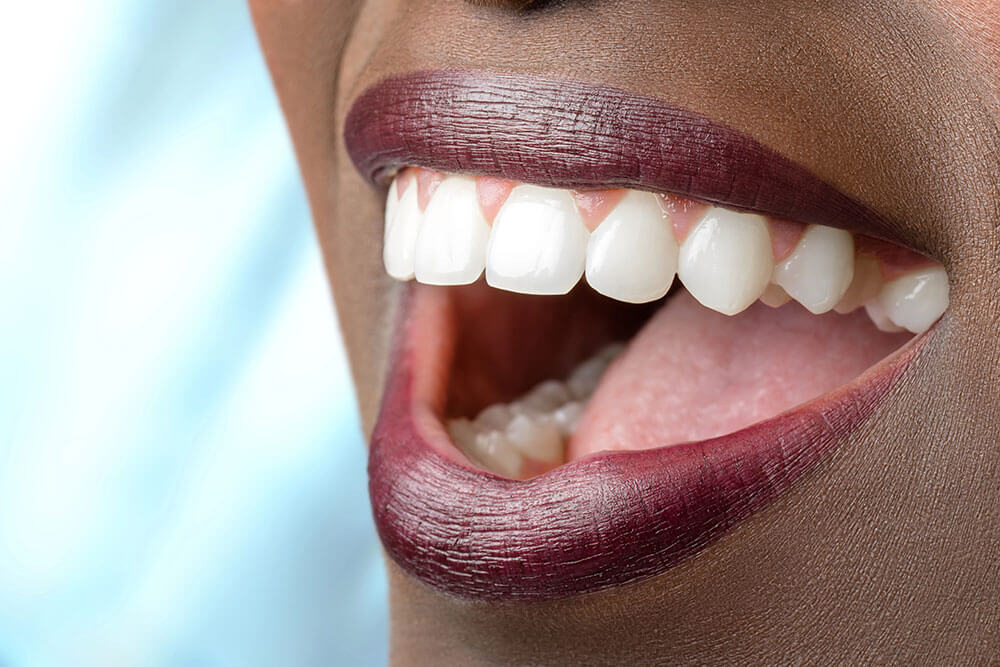
When you are missing teeth, restoring your smile and your ability to eat and speak comfortably becomes a priority. Two of the most common solutions are dental implants and dentures, and both have helped millions of people regain confidence and function. But they work very differently, and what is right for one person may not be the best fit for another.
Here is a helpful overview of both options to help you begin thinking about which approach may make the most sense for your individual needs.
What Are Dental Implants?
Dental implants are a long-term tooth replacement option where a small titanium post is placed into the jawbone to serve as a stable anchor for a replacement tooth. Once it integrates with the bone, a custom crown is attached on top, creating a result that looks and feels very close to a natural tooth. Implants can replace a single missing tooth, several teeth, or even a full arch when combined with a set of fixed teeth.
What Are Dentures?
Dentures and partials are removable appliances designed to replace missing teeth. Full dentures replace an entire arch of teeth, while partial dentures fill in gaps when some natural teeth remain. Modern dentures are more natural-looking and comfortable than their reputation suggests, and they remain one of the most accessible tooth replacement options available.
How Do They Compare?
Stability and Comfort
Implants are anchored directly into the jawbone, which means they do not shift, slip, or require adhesives to stay in place. Many patients describe them as feeling indistinguishable from their natural teeth during everyday activities like eating and speaking.
Dentures, particularly full dentures, can feel less stable at first and may require an adjustment period. Some patients find that lower dentures take more getting used to than upper ones. Over time, bone changes in the jaw can also affect the fit of dentures, occasionally requiring refitting or relining.
Appearance
Both options can produce a natural-looking result when made well. Implants tend to blend seamlessly with surrounding teeth since each crown is custom-shaped and color-matched. Dentures have also come a long way in terms of aesthetics and can provide a full, natural smile when properly fitted.
Care and Maintenance
Implants are cared for just like natural teeth – regular brushing, flossing, and dental exams and cleanings are all that is needed. There is no need to remove them at night or use special soaking solutions.
Dentures require daily removal for cleaning and should be soaked overnight to maintain their shape. Proper cleaning is important to prevent odor and bacterial buildup.
Longevity
With consistent oral hygiene and regular dental checkups, implants can last for decades. The crown placed on top may eventually need to be replaced, but the implant itself is designed to be a long-term solution.
Dentures typically need to be relined or replaced every five to ten years as the shape of the jaw changes over time. While they are more affordable upfront, the ongoing costs of adjustment and replacement add up over the years.
Who is a Good Candidate?
Implants generally require adequate jawbone density and healthy gums to support the placement. Patients who have been missing teeth for a while may have experienced some bone loss, which could affect eligibility. A thorough evaluation with your dentist will determine whether implants are a viable option.
Dentures are suitable for a wider range of patients and are often the recommended starting point for those who are not candidates for implants or who prefer a less involved solution. They can also be placed sooner after tooth loss.
Which Option is Better?
Honestly, there is no universal answer. Dental implants offer a closer experience to natural teeth and tend to be more convenient in the long run, but they require a healthy jawbone and a longer process. Dentures are more accessible, more affordable upfront, and can be an excellent solution for many patients, especially when implants are not the right fit.
The best way to figure out which option suits you is to sit down with your dentist and talk through your goals, your current oral health, your lifestyle, and your budget. Both options have the potential to give you a functional, confident smile – it is really a matter of finding the one that fits your individual circumstances.
If cost is a concern, Smile Aesthetix Dental offers multiple financing options, including CareCredit, Sunbit, and Cherry, as well as an in-house membership plan for patients without insurance. You can find more details on our financial information page.
Schedule a Tooth Replacement Consultation in Algonquin, IL
Dr. Reddy and the team at Smile Aesthetix Dental take the time to understand your goals and walk you through your options without pressure. Whether you are leaning toward implants, dentures, or simply want to learn more before making a decision, we are here to help you feel confident about the path forward.
Smile Aesthetix Dental is located at 205 South Randall Rd, Algonquin, IL 60102, and we are welcoming new patients.
Call us at 224-278-8282 or request an appointment online. We offer flexible weekday and Saturday hours to fit your schedule.
Frequently Asked Questions
Can dentures be converted to implants later?
In some cases, yes. Patients who start with dentures sometimes choose to transition to implant-supported options later on. Your dentist can evaluate your bone health and overall oral condition to determine whether that path is an option for you.
Do dental implants look natural?
Yes. Each implant crown is custom-made to match the size, shape, and color of your surrounding teeth, making it very difficult to distinguish from a natural tooth.
How long does it take to get used to dentures?
Most patients adjust to dentures within a few weeks, though individual experiences vary. Speaking and eating may feel different at first, and some soreness during the adjustment period is normal. Regular follow-up visits with your dentist help ensure the fit stays comfortable.
Does insurance cover implants or dentures?
Coverage varies widely depending on your plan. Many insurance plans offer partial coverage for dentures, while implant coverage is less consistent. Our team is happy to help you understand your benefits before moving forward. Visit our FAQs page for more information on the insurance plans we accept.
What if I am not a candidate for dental implants?
If implants are not the right fit for your current oral health, your dentist will discuss alternative options, including dentures, partials, or other restorative approaches. There is almost always a solution that can restore your smile and your confidence.
Disclaimer
This content is intended for general informational purposes only and does not constitute medical or dental advice. Every patient’s situation is unique, and treatment experiences may vary. Please consult with a qualified dental professional for guidance specific to your individual needs and circumstances.
